
Co-Designing a Mobile Retrofit Demonstrator
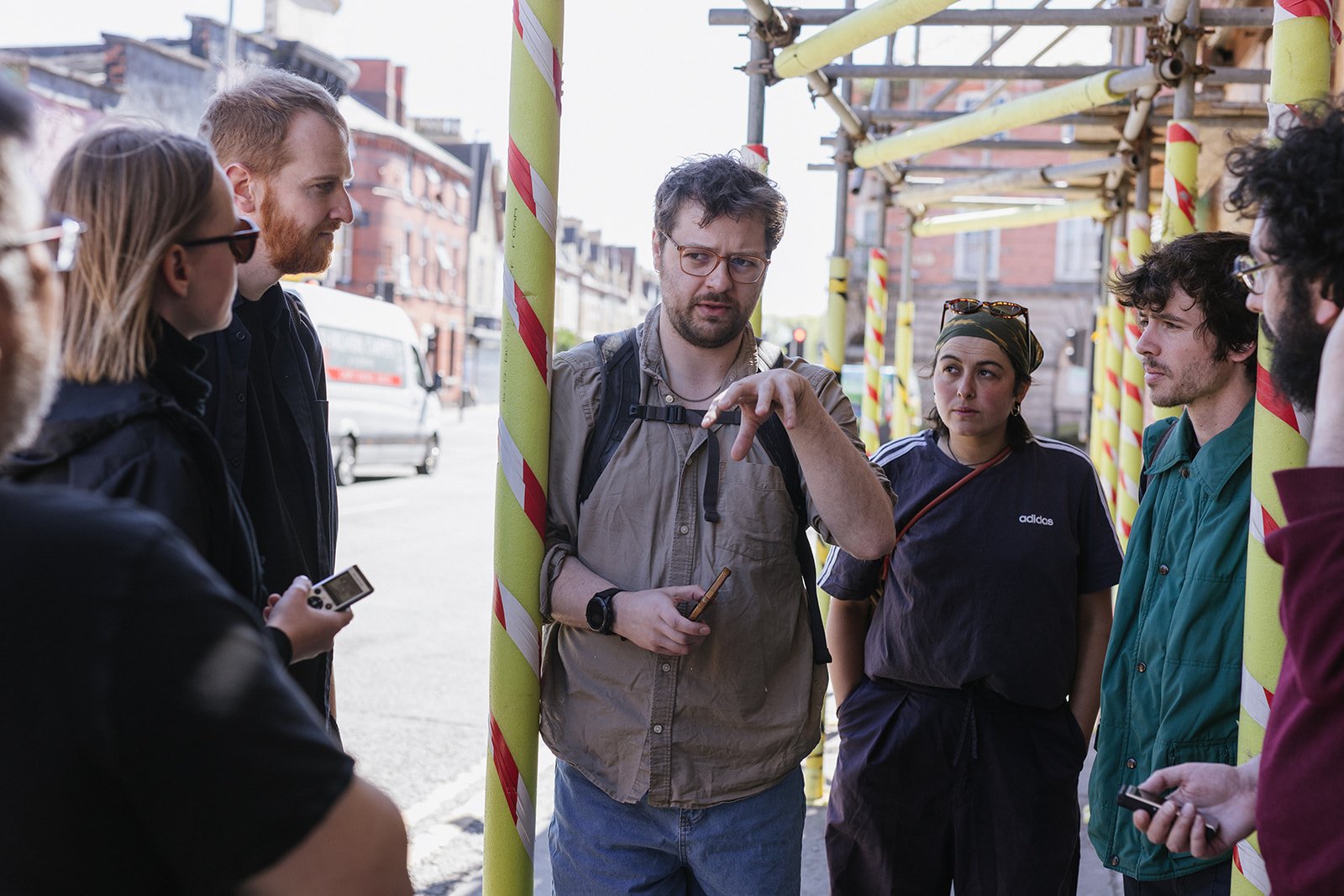
We believe that creating warm, healthy and affordable homes starts with listening. Through our Cosy Homes Club, we've spent the last few years exploring what that means in practice and how communities can play a leading role in shaping solutions to warm homes and cheaper, more affordable bills.
The latest chapter in that journey has been a partnership with Liverpool John Moores University (LJMU), bringing together community researchers, local residents, designers, academics and practitioners to co-design a mobile retrofit demonstrator, a creative and interactive resource designed to spark conversations about homes, energy and retrofit.
Building on Community Research
This work traces back to previous phases of the Cosy Homes Club, where local community energy champions spent time listening to residents and exploring people's experiences of their homes, energy use and housing conditions.
As Tom Murphy from the Two Up Two Down team explains:
"The Cosy Homes Club has continued to evolve from the very early days of trying to understand how we, as a community, can create warm, healthy and affordable homes. In the previous phase of the project, we worked with local community researchers to better understand people's experiences of their homes, energy use and retrofit. One of the biggest lessons from that work was that conversations about energy don't always happen naturally. We needed to find creative and engaging ways to spark those conversations and keep them going."
This learning became the starting point for the partnership with LJMU. Together, we began asking: how can we create something that helps people explore retrofit in a way that feels both accessible and practical?
The process
The process itself has been just as important as the final outcome. This is something we've believed from the very beginning of the Cosy Homes Club. The way we work together, the conversations we have, the relationships we build and the opportunities we create for people to shape ideas collectively – is just as important as what we create together. This partnership has only strengthened that belief, demonstrating that meaningful, community-led change comes not only from the end result, but from the collaborative journey that gets us there.
Through a series of collaborative workshops, participants explored questions around housing, materials, energy and neighbourhood change. Ideas were tested, challenged and reshaped through conversation, making and collective reflection.
One of the things that stood out most to Thomas Moore, researcher and lecturer at Liverpool John Moores University and one of the facilitators of the co-design workshops, was the depth of knowledge, passion and commitment that local people brought to the process.
"What stood out throughout the process was the passion, commitment and depth of understanding that participants brought to conversations about housing, energy and neighbourhood change. People approached these issues from very different perspectives, but all shared a desire to create positive change for Anfield and Everton."
Those different perspectives became one of the project's greatest strengths. Discussions moved between practical actions that could make an immediate difference to people's homes and much bigger questions about housing, land ownership, climate justice and the future of the neighbourhood. The process created space for people to draw on their own experiences and knowledge. This ensured that the conversations about energy and retrofit remain grounded in everyday life and the realities of living in Anfield and Everton.
As the LJMU team reflected, some of the most valuable learning came from trusting the process itself, allowing ideas to develop gradually and making space for critical questions to remain open rather than seeking immediate answers. The project wasn't rushed towards a solution or outcome, there were points throughout the process where the final outcome remained unclear and different possibilities were being explored. Sitting in the uncertainty allowed this process to organically evolve.
As Jonathan Orlek Senior Lecturer at LJMU, and one of the workshop facilitators reflected:
"Undertaking an open-ended collaborative design process with the Cosy Homes Club was very rewarding. The group are thinking about retrofit-related issues architecturally, socially and environmentally, whilst always paying attention to how design interventions land within their community. Although the project could have gone off in several different directions, this multi-layered approach served as an important guide.”
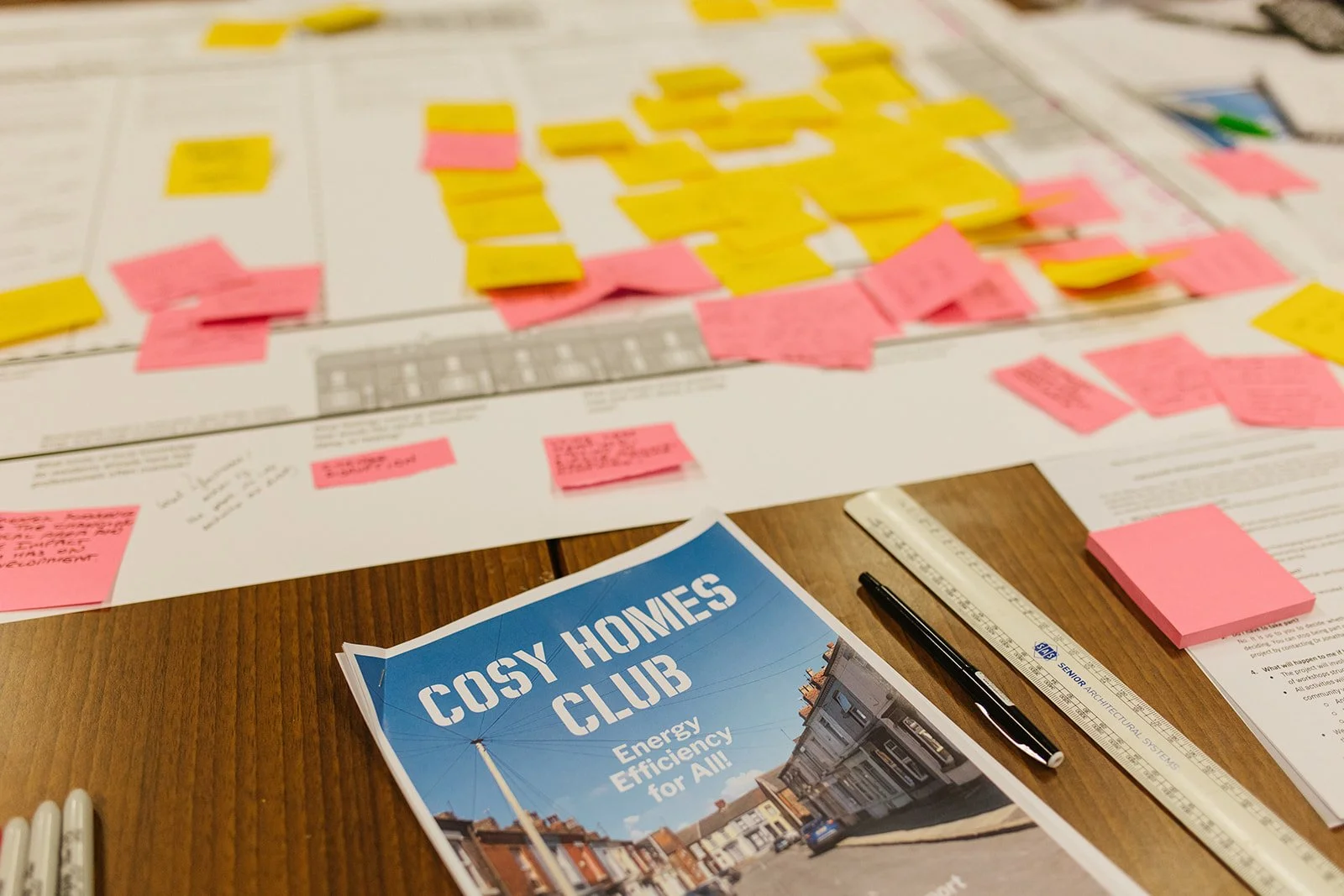
For Rachael Branton, Two Up Two Down’s Zero Carbon Neighbourhoods Lead, the project has demonstrated the value of bringing together community knowledge, academic expertise and paid opportunities for local people.
"This programme has been a brilliant opportunity to collaborate with one of our local universities to develop a creative and interactive resource which will help us continue the work of our Cosy Homes Club. With the support of LJMU, we've been able to offer paid opportunities to local people, learn together and explore ideas collectively."
The resulting mobile retrofit demonstrator provides a hands-on way to explore materials, building components and retrofit concepts. It creates opportunities for people to see first hand and discuss different approaches to making homes warmer, healthier and more energy efficient.
"The mobile retrofit demonstrator, and the whole process of workshops that shaped it, will support our Cosy Homes Club to have more conversations about the buildings we live in and to introduce people to different ways of thinking about the materials, processes and energy we use."
The workshops demonstrated that learning about retrofit doesn't need to happen through pre-existing knowledge or specialist language. It can happen through conversation, experimentation, storytelling and making.
Just as importantly, the project created opportunities for people to learn from one another, building confidence and strengthening relationships along the way.
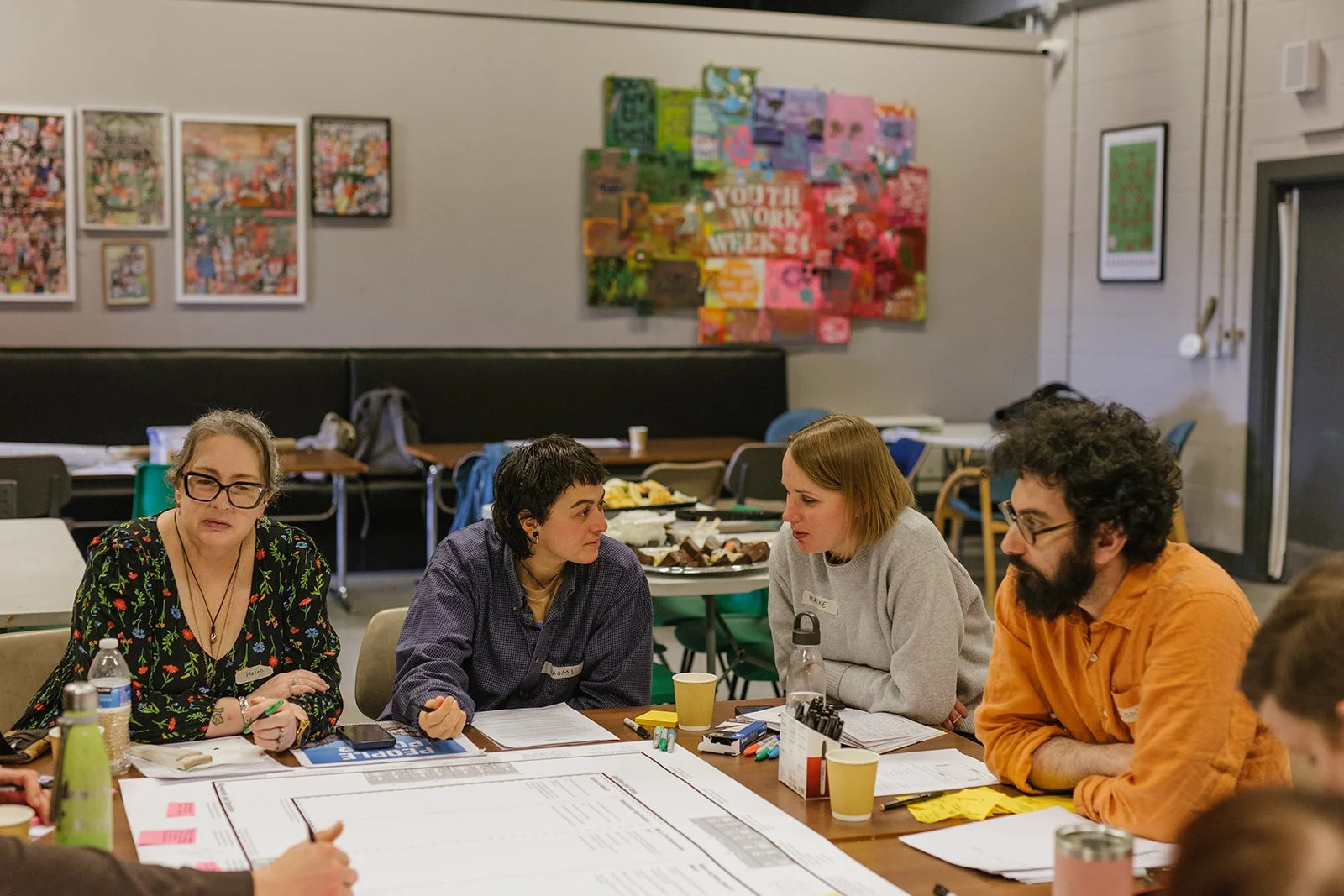
Naomi Da Costa, a Two Up Two Down member, who has been involved since the early stages of the Cosy Homes Club, felt the workshops reflects the power of turning community conversations into collective action.
"I've been connected to the Cosy Homes Club from the beginning, first through the community champion researchers and now through helping to develop the mobile retrofit demonstrator. It's been really rewarding to see ideas that came from conversations with local people grow into something tangible that can support learning and discussion in the community."
A particular area of interest throughout the workshops was exploring natural materials and alternative approaches to retrofit.
"For me, one of the most interesting parts of the project has been exploring natural materials and thinking differently about how our homes are built, maintained and improved. The workshops created a space where people could share knowledge, ask questions and experiment together, regardless of their previous experience. It’s feels empowering for the community to take ownership in this way"
Alongside the mobile retrofit demonstrator, the project has helped develop and test a way of working that combines community research, collaborative design and practical making. By connecting local knowledge with the research, design and fabrication resources available through LJMU, the partnership has created a model that can continue to evolve and be adapted in future projects.
The LJMU team describe this as a form of community prototyping: bringing together people with different experiences and expertise to collectively investigate local issues, test ideas and develop responses grounded in community priorities and needs.
The demonstrator is more than a finished product. It is a conversation starter, a learning tool and a catalyst for future collaboration.
The hope is that both the demonstrator and the methods developed through the project can continue to evolve, be shared and inspire future work that places communities at the centre of shaping change.
What Happens Next?
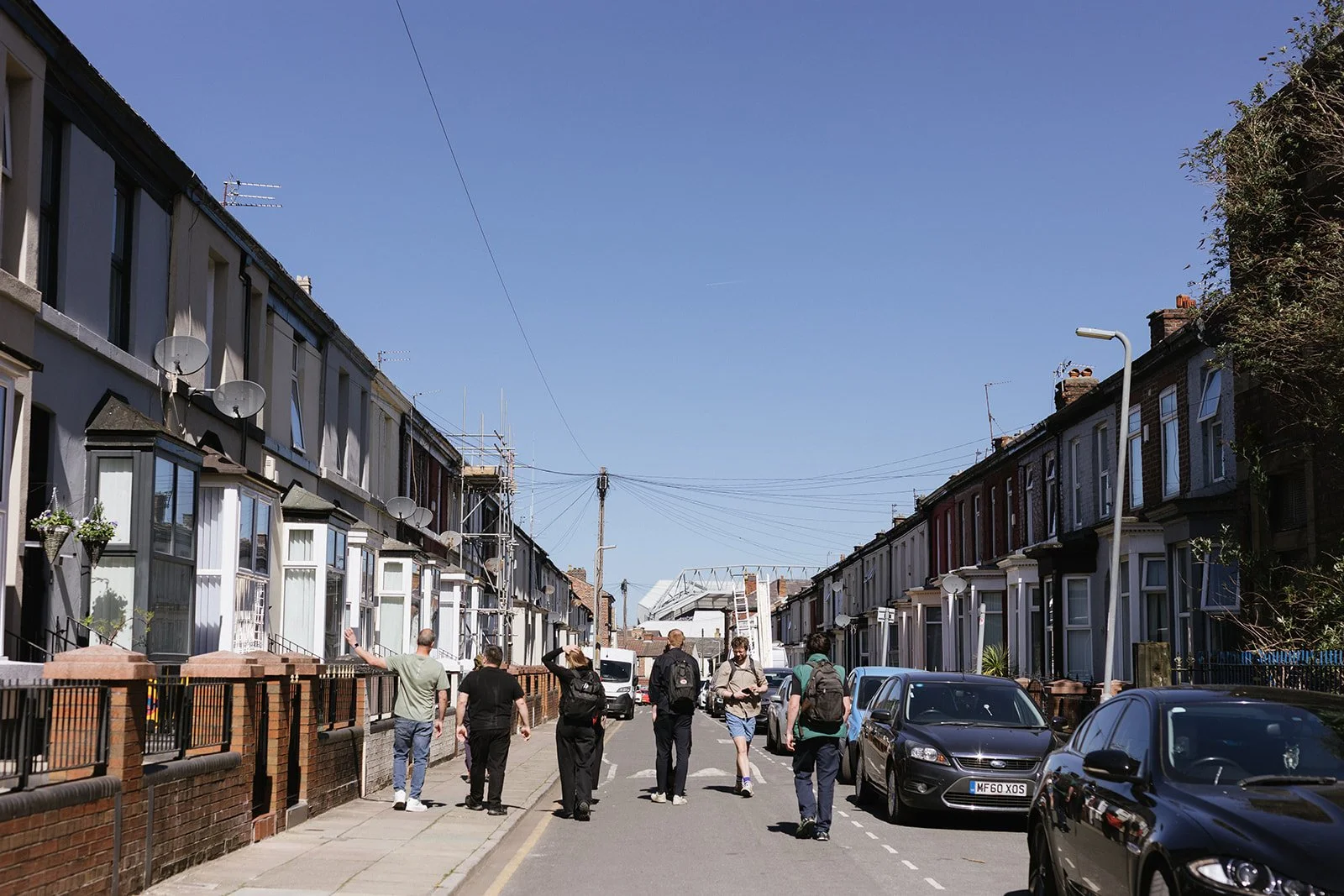
The mobile retrofit demonstrator will soon begin its life out in the community, creating opportunities for more conversations about homes, energy and retrofit across Anfield and Everton.
But the learning doesn't stop there.
As Two Up Two Down begins work retrofitting local homes, the ideas, relationships and knowledge developed through this process will continue to be tested, adapted and built upon.
As Rachael Branton puts it:
"The next step in our learning journey will be to experiment with these materials on site as we retrofit community-owned homes right here in Anfield and Everton. We're excited to continue testing ideas, building skills and exploring what community-led retrofit can look like in practice. Watch this space."
The retrofit demonstrator doesn't provide all the answers. Instead, it creates opportunities for conversations, questions and collective learning. In many ways, that reflects the wider ethos of the Cosy Homes Club itself: bringing people together to explore what warm, healthy and affordable homes could look like, and how communities can shape that future together.
This project may have resulted in a mobile retrofit demonstrator, but perhaps its most important outcome is something less tangible: a growing network of people, ideas and relationships committed to creating warm, affordable and sustainable homes together.
Come along to our Summer Street Party at Kitty's Laundrette on Saturday 11 July, between 2pm and 9pm, where members of the Two Up Two Down and LJMU teams will be around to chat more, share what we've learned through the co-design process and give you the chance to find out more.